
Introduction
The price of custom sports socks depends on the materials, knitting construction, design, customization methods, order quantity, and packaging. A lightweight running sock and a heavily cushioned basketball sock, for example, may use different amounts of yarn and require different knitting structures, even when they are produced in similar sizes. These differences are common across running, basketball, and other sports sock styles.
For brands, wholesalers, and private-label buyers, understanding these cost factors helps when developing a product specification and comparing supplier quotations. The following sections explain where price differences come from and which design decisions can affect the final order value.

1. Materials and Yarn Consumption
How Material Type and Yarn Blends Affect Cost
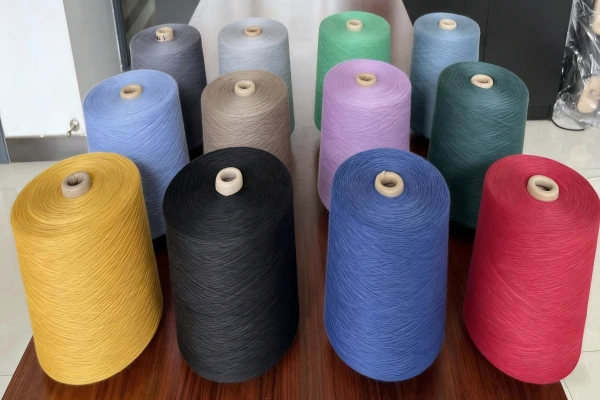
Cotton, merino wool, bamboo-based fibers, polyester, nylon, and other yarns are used in sports sock production. Their costs vary according to fiber type, grade, sourcing, and yarn specification. Blended yarns add another variable: changing the proportion of each fiber changes the material cost as well as the properties of the finished sock. For example, a design using a higher proportion of merino wool will have a different material cost from one based mainly on polyester or cotton.
FutureStitch offers material options including cotton, merino wool, bamboo, and polyester blends. The appropriate blend depends on the intended use, product positioning, and target price.
How Sock Weight and Thickness Affect Material Use
Sock weight is directly related to yarn consumption. A heavier sock generally requires more yarn than a lightweight style of the same size and length. Terry cushioning, thicker soles, and reinforced sections also add material in specific areas. As a result, two socks with the same outer dimensions can have different costs because their yarn consumption and construction are not the same.

2. Sock Style and Design Complexity
How Sock Length, Size, and Sport-Specific Design Affect Cost
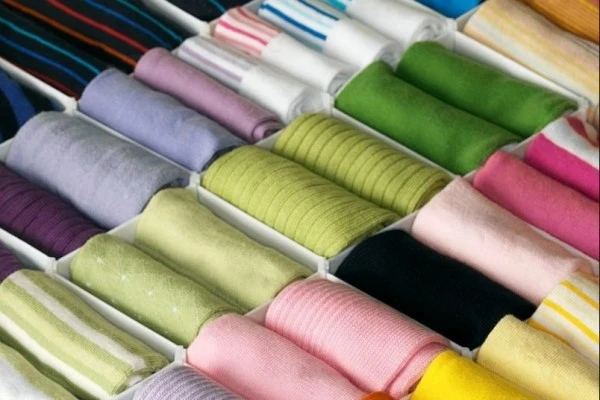
Low-cut, ankle, quarter, crew, and knee-high socks require different amounts of material. Larger sizes also use more yarn than smaller sizes. The intended sport affects construction too: running socks may prioritize lightweight sections and ventilation, while basketball socks often use more substantial cushioning and support. These specifications influence material consumption and knitting requirements, so the style name alone is not enough to determine the cost.
How Patterns and Color Combinations Affect Production
Simple stripes or limited color blocks are generally easier to produce than intricate patterns with frequent color changes and detailed knitted graphics. Complex patterns may require more knitting-program preparation and production adjustments. The number of colors matters, but so do their placement, pattern repeat, and level of detail. A design that concentrates brand graphics in a few visible areas may be more economical to produce than one covering the entire sock with a complex pattern.

3. Knitting Structures and Functional Features
How Knitting Structures Influence Production Cost
Different knitting structures use yarn and machine programming in different ways:
- Plain knitting: A basic structure for areas that do not require additional texture or cushioning.
- Mesh knitting: Creates open areas for ventilation; the pattern and coverage affect construction.
- Terry knitting: Adds loops for a thicker, cushioned surface and uses additional yarn.
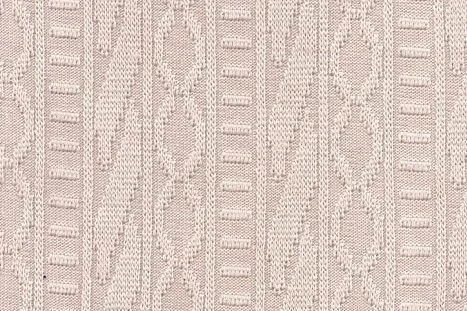
- Jacquard knitting: Integrates patterns into the fabric; detailed graphics and multiple colors can increase programming complexity.
A sock combining several structures may require more production work than one using a consistent knit throughout. The cost depends on the complexity and coverage of each structure. These details are part of the broader knitting and finishing processes used in sock manufacturing.
How Cushioning, Arch Support, and Reinforcement Affect Cost
Functional features change the construction of a sock rather than simply adding decoration. Terry cushioning increases yarn use in the selected areas; reinforced heels and toes add material or alter the knit construction; arch support requires a different structure around the midfoot. Mesh panels introduce open-knit sections for ventilation. Combining several of these features can make the knitting specification more complex, so their placement and coverage should be defined clearly.


4. Logo and Customization

How Logo Application Methods Affect Cost
Logo application involves different production processes, and the method can affect both the appearance and cost of the finished sock.
|
Method |
Production approach |
Main cost consideration |
|
Jacquard knitting |
Logo is knitted into the sock |
Pattern detail and color changes |
|
Embroidery |
Logo is stitched onto the sock |
Stitch density, size, and placement |
|
Digital printing |
Artwork is printed onto the surface |
Print area and artwork detail |
|
Heat transfer |
Printed design is transferred to the sock |
Transfer size and application requirements |
The suitable method depends on the artwork and sock construction. A knitted logo, for example, becomes part of the fabric, while embroidery and printing involve additional decoration processes. The available ways to customize a sock design can be assessed against the logo's appearance, size, and intended position.
How Logo Size, Colors, and Placement Affect Cost
A large logo generally requires more knitting area, stitching, or printing than a small one. More colors and fine artwork details can also increase preparation and application work. Placement matters because the available area and surface construction vary across the cuff, leg, and foot. Supplying the logo file with its intended size and position helps the manufacturer assess the production requirements before sampling.
5. Order Quantity and SKU Planning
How Order Volume Affects Unit Cost
Some production work, such as design preparation, sampling, and machine setup, is required regardless of the number of pairs ordered. When more pairs share the same specifications, these costs can be spread across a larger quantity, potentially lowering the unit cost. However, the effect depends on the product design and production arrangement; increasing the total order volume does not necessarily produce the same savings when the order is divided among many different SKUs.
Why Quantity per SKU Matters
A collection may include several designs, colors, and sizes, but manufacturers usually assess order quantities by SKU rather than only by the combined total. For example, an order of 3,000 pairs divided among multiple designs is not equivalent to 3,000 pairs of one design. Each SKU may involve separate planning and material allocation. Buyers should therefore prepare a quantity breakdown by design and size before requesting a quotation.
6. Packaging and Quotation Comparison
How Packaging Requirements Affect the Finished Cost
Packaging adds materials and handling to the finished product. Individual bags, branded labels, hang cards, barcode stickers, and retail boxes have different material and printing requirements. Custom artwork, packaging size, and the number of packaging variations can also affect the total cost. FutureStitch offers packaging options including bags, tags, hang cards, and boxes, allowing buyers to specify the presentation required for their sales channels.
What to Check When Comparing Manufacturer Quotations
A meaningful price comparison requires matching specifications. Check that each manufacturer is quoting for the same:
- Material: fiber composition, blend ratio, and yarn specification.
- Sock design: length, size range, and finished weight.
- Construction: knitting structures, cushioning, mesh, arch support, and reinforced areas.
- Customization: logo method, size, colors, and placement.
- Quantity: total order volume and quantity per SKU.
- Packaging: bag, label, hang card, box, and printing requirements.
- Commercial terms: sample charges, inspection arrangements, shipping terms, and other included costs.
Also distinguish between FOB, CIF, and DDP quotations. They cover different transportation and delivery responsibilities, so comparing their unit prices without checking what is included can lead to an inaccurate cost assessment.
A useful quotation comparison starts with one complete specification sheet shared with each manufacturer. This reduces differences caused by assumptions and makes it easier to identify whether a price gap comes from materials, construction, customization, packaging, or commercial terms.

Conclusion
Custom sports sock costs come from the specifications behind the finished product: yarn, weight, knitting structure, functional features, branding, order quantities, and packaging. A clear tech pack and quantity breakdown give manufacturers the information needed to quote accurately and help buyers compare offers on an equivalent basis.
If you are planning a custom sports sock order, share your design, material preferences, quantity breakdown, and packaging requirements with the FutureStitch team.
Discuss Your Custom Sports Socks Project