

Introduction
Foot odor is a common problem, but sweat alone is not usually the main culprit; odor-causing bacteria break down sweat and skin secretions, releasing unpleasant-smelling compounds. Inside warm, damp shoes, limited airflow allows moisture to accumulate and creates conditions that favor microbial growth, making everyday footwear less comfortable. Antibacterial socks can help control odor through antimicrobial treatments and suitable fabric technologies, while moisture management helps keep feet drier, and understanding these differences makes it easier to choose the right socks for sports, daily wear, or private-label product development.
How Do Antibacterial Socks Work? Materials vs. Antimicrobial Treatments
Antibacterial socks can manage odor through different approaches, but natural fiber properties, antimicrobial treatments, and moisture-wicking construction serve distinct functions.
Natural Antimicrobial Properties of Bamboo & Merino Wool
- Bamboo-Based Socks: Bamboo-derived fibers and blends can offer a soft hand feel and moisture-management benefits for everyday and no-show socks, but their antibacterial performance depends on the actual fiber processing and any verified treatment rather than the word "bamboo" alone.
- Merino Wool Socks: Merino wool helps regulate moisture and naturally resists odor development, making it useful for performance socks that need to stay comfortable during extended activity.
Silver Ions & Other Antimicrobial Treatments
- Silver-Based Treatments: Silver ions can interfere with several microbial processes, including cell function and membrane integrity, helping inhibit the growth of certain odor-causing bacteria when the treatment is properly formulated.
- Other Antimicrobial Agents: Some textile treatments use other active ingredients to limit bacterial growth, but their suitability depends on the formulation, applicable regulations, product safety, and supporting performance data.
Moisture-Wicking & Breathable Knitting Structures
- Moisture-Wicking Fibers: Polyester, nylon blends, and other engineered yarns can move moisture away from the skin to support faster evaporation, although performance varies with fiber structure and fabric construction.
- Breathable Knitting: Mesh ventilation zones and purpose-designed knit structures improve airflow and moisture release, helping reduce the damp conditions that contribute to discomfort and odor.
Who Should Wear Antibacterial Socks? From Sports to Everyday Life
The right antibacterial socks depend on how much your feet sweat, how long you wear your shoes, and whether comfort, odor control, or impact protection is your main priority.
Sports Socks for Running, Football & Basketball
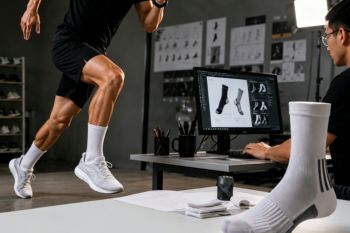
- High-Intensity Training: Runners, football players, and basketball players can benefit from moisture-wicking socks with breathable zones, secure fits, and targeted cushioning, while antibacterial treatments may help control odor without replacing proper foot hygiene or blister-prevention measures.
- Foot Hygiene During Sports: Changing damp socks promptly, drying footwear thoroughly, and keeping feet clean can help reduce conditions that favor fungal growth, but antibacterial socks alone cannot guarantee protection against athlete's foot.


Low-Cut & No-Show Socks for Daily Wear
- Men's Low-Cut Socks: For office shoes, loafers, and casual sneakers, breathable cotton or functional blends can provide everyday comfort, while any antibacterial or odor-control claims should be supported by evidence specific to the finished product.
- Women's Super Invisible Socks: Lightweight bamboo-derived blends or other soft, breathable materials can suit flats and low-profile shoes, with secure heel grips and a stable fit helping prevent slipping during daily activities.


How Long Do Antibacterial Socks Stay Effective?
The durability of antibacterial performance depends on the treatment, yarn composition, knitting construction, washing conditions, and whether the finished sock has been tested after repeated laundering.
Washing & Care for Long-Lasting Performance
- Use Gentle Washing Methods: Follow the care label, use cold water and a mild detergent when recommended, and avoid bleach or fabric softeners if the manufacturer advises against them because unsuitable washing products may damage fibers or interfere with certain functional finishes.
- Protect the Fabric Structure: Turn socks inside out, use a gentle wash cycle, and air-dry them when the care instructions permit to help preserve elasticity, fit, and other technical features.
- Replace Worn-Out Socks When Needed: Inspect socks for thinning, damaged elastic, and persistent odor, because a worn fabric structure or accumulated residue can affect comfort and performance even when the original product had an antimicrobial treatment.
Antibacterial Testing & Quality Verification
- Request Relevant Test Reports: Buyers should ask suppliers for test results identifying the tested sock or fabric, target microorganisms, test method, and measured antibacterial performance rather than relying on a general antimicrobial claim.
- Check Performance After Washing: When long-lasting antibacterial performance is a product requirement, request evidence from appropriate tests conducted after defined laundering cycles, and verify that the results support the exact claim intended for the target market.
Why Brands Are Developing Custom Antibacterial Socks
For sock brands, antibacterial products can create a clearer functional position when material selection, odor control, comfort, and verifiable performance align with the needs of the target market.
Functional Fabrics Create Product Differentiation
- Develop Around Customer Needs: Sports brands may prioritize moisture management and durability, while lifestyle brands may focus on softness, breathability, and odor control for everyday footwear.
- Choose Materials & Treatments Carefully: Buyers should evaluate bamboo-derived fibers, merino wool, cotton blends, and antimicrobial finishes according to the intended use, cost target, market requirements, and substantiated product claims.
OEM & Private-Label Development from Yarn to Finished Socks
Define the Product Specification: Brands should confirm the target application, yarn composition, antimicrobial technology, knitting structure, sizing, design, packaging, and required performance tests before approving samples for bulk production.


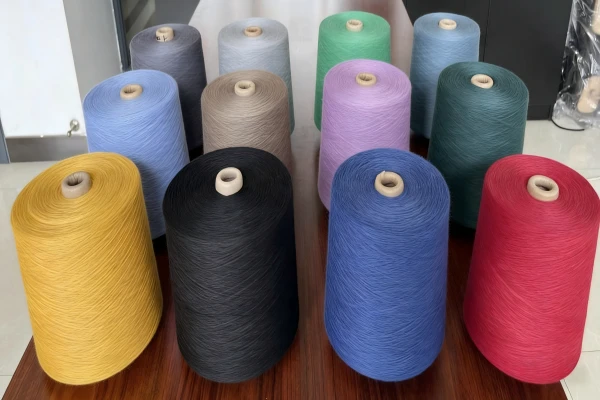
FutureStitch offers OEM/ODM sock development, including proprietary yarn development designed to support moisture-wicking and odor-control properties, as well as custom knitting structures and prototype development. Its in-house R&D and manufacturing capabilities allow brands to develop functional sock products around defined specifications, with appropriate testing used to verify the performance claims required for each project.