
Introduction
Developing custom sports socks involves more than selecting colors and adding a logo. Sock height, knitting structure, yarn composition, cushioning, and fit all influence the finished product. For sports brands, apparel companies, retailers, and private-label businesses, these choices also affect order quantities, pricing, and production planning.
From running and basketball socks to hiking and ski styles, each product needs a construction suited to its intended use. Reviewing the available sports sock styles can help buyers identify suitable starting points before defining their own specifications. This guide covers the key decisions involved in developing and sourcing custom sports socks.

1. Define the Sports Sock Requirements
Start with the sport and the conditions in which the socks will be worn. Activity type, footwear, movement, and expected wear all influence the required fit, coverage, and fabric construction.
Match the Design to the Sport
Different sports call for different combinations of sock height, cushioning, breathability, and support. The following considerations can help brands define the right product direction.
|
Sport |
Key design considerations |
|
Running |
Lightweight construction, breathable instep zones, and cushioning suited to repetitive foot impact |
|
Basketball |
Higher coverage, secure cuffs, and cushioning around the heel and forefoot |
|
Football |
Longer leg coverage, a secure fit, and durable construction for frequent movement |
|
Baseball |
Team-specific colors and graphics, with sock height suited to the uniform |
|
Cycling |
Close-fitting construction, a streamlined profile, and breathable fabric around the foot |
|
Skiing |
Longer coverage and cushioning suited to ski boots and cold-weather use |
|
Hiking |
Durable construction, cushioning in high-pressure areas, and materials suited to extended wear |
|
Golf |
Comfortable fit, moderate cushioning, and styling that complements the brand's apparel range |
These distinctions provide a starting point for product development. A brand offering several sports categories may need different specifications for each style rather than using one basic sock design throughout its collection.
Select Knitting Structures and Performance Features
The knitting structure determines how each area of a sock feels and functions. Combining different structures allows brands to develop products with specific characteristics.
- Plain knit: Creates a smooth, lightweight fabric with flexibility for everyday sports use.
- Terry knit: Adds cushioning to the heel, forefoot, or sole.
- Mesh knit: Uses more open stitches, commonly around the instep, to promote airflow.
- Rib knit: Provides elasticity in the cuff or leg section to help maintain a secure fit.
- Compression knit: Uses elastic fibers and zoned construction around areas such as the arch and ankle.
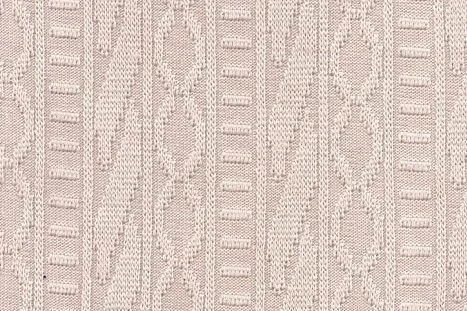
- Jacquard knit: Integrates logos, patterns, and team colors into the fabric.
Other construction options include seamless toe finishes, reinforced heels and toes, and anti-slip elastic cuffs. These details should be selected according to the product's intended use. For example, a running sock may prioritize a lightweight mesh instep, while a hiking style may require more cushioning and reinforcement.

2. Choose Materials and Define the Custom Design
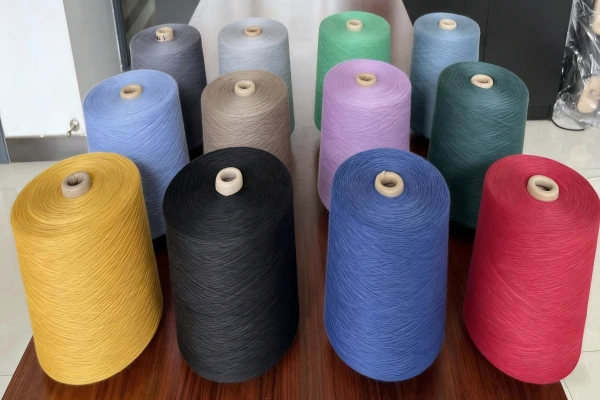
Yarn selection affects the sock's hand feel, stretch, durability, and moisture management. The material combination should support the chosen knitting structure and the demands of the target sport.
Select Yarn for the Intended Performance
Different yarns serve different purposes in sports sock construction. Buyers should consider how each material contributes to the finished product rather than choosing yarn based on its name alone.
|
Material or yarn |
Role in sports sock development |
|
Polyester |
Used in performance blends where moisture management, durability, and color options are important |
|
Nylon |
Adds abrasion resistance in high-wear areas such as the heel and toe |
|
Cotton |
Provides a soft, familiar hand feel for styles where comfort is a priority |
|
Wool and wool blends |
Offer options for warmth and moisture management in outdoor and cold-weather socks |
|
Spandex or elastane |
Adds stretch to support a close fit and elastic sections |
Blends can combine these properties within one sock. For example, nylon can be incorporated into areas exposed to greater wear, while elastic fibers support the fit around the foot and cuff. FutureStitch also offers functional yarn development options for features such as moisture management and odor resistance.
Define Colors, Logos, Sizes, and Packaging
Once the material and construction direction is established, define the visual details and order specifications.
- Colors and patterns: Main body colors, contrast sections, team colors, and knitted patterns.
- Branding: Logo artwork, placement, and suitable methods such as jacquard knitting, embroidery, or printing.
- Sizes and fit: Required size range, sock height, and cuff dimensions.
- Packaging: Labels, hangtags, barcodes, and branded packaging.
For collections with several designs or colorways, assign the relevant details to each SKU. This keeps artwork, size specifications, and order quantities organized during development and purchasing.

3. Choose OEM or ODM and Prepare the Product Brief
The development route depends on how much of the design work the buyer has already completed. OEM supports production from buyer-provided specifications, while ODM includes product development input.
Decide Between OEM and ODM
OEM production is suitable for brands with existing technical files, design specifications, or physical samples. The manufacturer develops the socks according to the supplied product requirements.
ODM development is suitable for buyers who need help creating a product concept, exploring construction options, or developing prototypes.
FutureStitch supports both approaches, including development options involving cushioning, compression zones, reinforced areas, and functional yarns. Brands seeking support with product development can explore the custom sock service.
Prepare a Tech Pack or Product Brief
A Tech Pack translates the design into specifications that the development and production teams can follow. Buyers who do not yet have a complete technical file can start with a product brief containing drawings, reference images, and written instructions.
Include the essential information:
- Product type and intended sport
- Size range and sock dimensions
- Yarn composition and material preferences
- Knitting structures and functional zones
- Color references and logo artwork
- Packaging and labeling instructions
Clearly identify mandatory specifications and optional design preferences. This reduces ambiguity during sample development and gives the manufacturer a consistent basis for interpreting the design.

4. Develop and Approve the Samples
A physical sample allows buyers to assess the actual fit, construction, and appearance before approving the product for bulk production.
Evaluate the Sample Against the Design
Review the sample against the Tech Pack or product brief, paying particular attention to details that are difficult to judge from drawings alone.
- Fit and dimensions: Check the sock height, foot length, cuff fit, and overall shape.
- Fabric construction: Examine the placement and consistency of mesh, rib, terry, and compression zones.
- Cushioning and reinforcement: Assess the coverage and position of padded areas and reinforced sections.
- Toe finish: Check the closure for consistency with the specified construction and expected comfort.
- Color and branding: Compare the knitted patterns, logo placement, and colors with the supplied artwork.
- Workmanship: Look for loose yarns, irregular stitching, and visible finishing defects.
The assessment should reflect the product's intended application. For example, buyers developing hiking socks should pay particular attention to cushioning and coverage, while running sock samples require closer attention to fit and breathable zones.
Confirm Revisions and Final Approval
Record any changes needed after the initial review, such as adjustments to dimensions, yarn composition, cushioning, or logo placement. Check the revised sample against the updated specifications before giving final approval.
Keep the approved sample and its corresponding product details as the reference for the bulk order. Any later production inspection can then use the same agreed standard.
5. Confirm MOQ, Pricing, and Delivery Terms
With the product specifications established, buyers can assess the commercial terms and plan quantities for each design. The main considerations are minimum order requirements, quotation details, production timing, and shipping arrangements.
Understand MOQ and Plan Quantities by SKU
MOQ is particularly important when a collection includes multiple styles, colors, or designs. Buyers should understand the minimum quantity required for each SKU rather than considering only the combined order volume.
FutureStitch's Sports Socks page lists an MOQ of 2,000 pairs per SKU, with two sizes included as standard. Its Custom page lists an MOQ of 3,000 pairs per SKU, also covering two sizes.
Prepare a quantity breakdown by design, color, and size before placing the order. This makes it easier to allocate quantities across the collection and assess the total purchasing commitment.
Compare Quotations Against the Same Specifications
A lower unit price does not necessarily represent an equivalent product. Differences in yarn composition, knitting structure, cushioning, reinforcement, branding, and packaging can affect the quotation.
When comparing suppliers, check that each quotation covers the same:
- Material composition and yarn requirements
- Sock height, size range, and construction
- Functional features and reinforced areas
- Logo method, artwork, and decoration
- Labels, packaging, and order quantities
- Shipping terms and destination
Comparing prices against identical product specifications gives buyers a more reliable basis for evaluating the offers.
Confirm Sampling and Bulk Production Lead Times
Sampling and bulk production should be accounted for separately when planning an order. FutureStitch publishes the following sample arrangements on its website:
- Sports Socks page: Sample development in 10–15 days, with up to five samples.
- Custom page: Sample time of 3–5 weeks, with up to two free sample pairs.
- Get a Sample page: Sample production in 10–15 days, with up to two free sample pairs.
The bulk production schedule should also be agreed as part of the order plan, including when final artwork, specifications, and other required production information need to be ready.
Agree on Shipping and Order Arrangements
Shipping terms define the delivery arrangement for the order. FutureStitch's Custom page lists FOB for small or standard orders and DDP for large orders.
Before finalizing the purchase, establish the agreed shipping term, destination, packaging requirements, and delivery schedule.
6. Maintain Product Consistency During Bulk Production
Bulk production should follow the approved sample and product specifications. For sports socks, consistency depends on controlling the knitting, toe finishing, reinforcement, shaping, and branding processes.
Monitor Key Sock Manufacturing Processes
Production controls should focus on the stages that can change the construction or appearance of the finished socks.
- Knitting: Maintain the specified stitch structure and the placement of mesh, rib, terry, and other functional zones.
- Toe linking and reinforcement: Follow the agreed toe closure method and maintain the specified construction in reinforced heel, toe, and cuff areas.
- Finishing and shaping: Control the finishing process so the socks retain the intended shape and dimensions.
- Branding and decoration: Follow the approved artwork for knitted patterns, embroidery, printing, and logo placement.
These are important process points because changes in knitting or finishing can affect the fit, appearance, and consistency of the finished product.
Inspect Finished Socks Before Packaging
Final inspection determines whether the completed order matches the approved sample and specifications. Buyers should pay attention to:
- Finished dimensions and size consistency
- Overall appearance and construction uniformity
- Toe closure and reinforcement quality
- Color, pattern, and logo accuracy
- Loose yarns, visible defects, and finishing quality
- Labeling and packaging accuracy
FutureStitch's manufacturing process includes final inspection for appearance, size, and embroidery accuracy before packaging. These checks help verify that the finished order follows the agreed product details.

Conclusion
For brands and retailers, a successful custom sports sock order starts with a design suited to the intended sport and specifications that can be followed throughout production. Material choices, sample approval, SKU planning, and finished-product inspection all influence whether the delivered socks meet the original product brief.
Before committing to a bulk order, make sure the sample reflects the required construction, fit, and branding. When the product specifications are ready, the next step is to arrange sample development.