
Introduction
Before ordering custom sports socks, you need to give the manufacturer enough information to understand the product you want. Key details include the intended sport, sock design, materials, functional features, sizes, and branding.
A complete tech pack is not essential for an initial inquiry. Design files, reference images, or a basic product concept can provide a starting point. This guide explains what to prepare for quoting, sampling, and bulk production.

1. Define the Sports Sock Product You Want to Develop
Start by identifying the product you want to sell or develop. The sport, intended users, and basic sock design will guide the manufacturer's understanding of your requirements.
Identify the Sport and Intended Users
Specify the main activity and target users. For example, the requirements may differ for running, basketball, football, cycling, hiking, skiing, and golf socks.
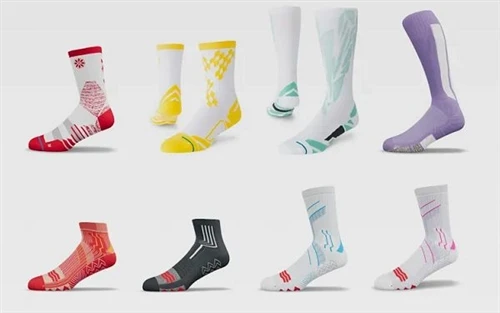
Also clarify whether the product is intended for professional athletes, recreational users, sports teams, or general retail customers. This helps establish the product's intended use and the features worth considering. If you are still comparing product directions, the sports sock range provides examples across these different activities.
Specify the Sock Style and Basic Construction
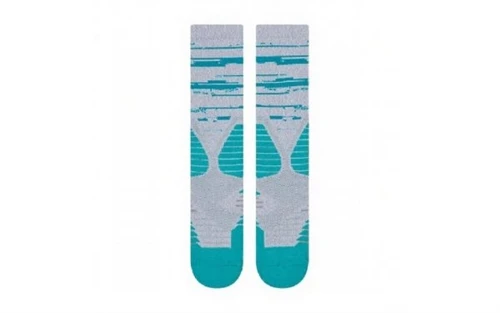
Provide the preferred sock length, general shape, and fit. If you have a specific design in mind, include a reference image or physical sample to show the appearance and proportions.
For multiple styles, identify which details should remain consistent across the range and which are unique to each design. This gives the manufacturer a clearer basis for discussing the product before detailed specifications are developed.

2. Prepare Design Files or Product References
Design information communicates how the finished socks should look and which details need to be reproduced. A technical pack is useful for organizing these requirements, but images and physical samples can also help communicate an initial concept.
What Information Should a Custom Sock Tech Pack Include?
A custom sock tech pack should contain the design and specification details needed for sample development.
|
Information |
What to Provide |
|
Design drawings |
Front, back, and side views where relevant |
|
Dimensions |
Overall sock length and key measurements |
|
Size information |
Intended size range and size chart |
|
Colors |
Pantone references or other clear color references |
|
Logo and artwork |
Logo files, patterns, text, and intended positions |
|
Materials |
Preferred yarns or material requirements |
|
Construction details |
Cushioning, mesh zones, reinforcement, and other design features |
The amount of detail depends on the design. A simple logo sock may require fewer construction notes than a multi-zone sports sock. If some specifications are not yet available, identify the confirmed details and the ones that still need discussion.
Start Without a Complete Tech Pack
Yes. You can provide the information available and explain what still needs development.
- Technical files: Share your drawings, specifications, size chart, and artwork for an OEM project.
- Images or physical samples: Use them to communicate the appearance, proportions, and construction you want to reproduce or adapt.
- A product concept: Describe the intended sport, target users, product positioning, preferred appearance, and main functional requirements if you need more design support.
The starting point also depends on how much product development you expect from the manufacturer. With OEM and ODM sock development, buyers can discuss projects based on their own technical files or references, or begin with a product concept that requires further design development.

3. Define Material and Performance Requirements
Material and functional requirements should describe what you expect from the finished socks. You can provide specific material preferences or explain the product characteristics you want the manufacturer to consider.
Select Materials According to Product Requirements
Common material options for custom sports socks include cotton, merino wool, bamboo-based materials, polyester, and blended yarns.
When preparing your requirements, specify:
- Preferred material or yarn composition, if already decided.
- Desired feel and product positioning.
- Any material requirements related to the intended sport or use.
- Whether you need the manufacturer to recommend suitable material options.
If you do not have a fixed material specification, explain the intended product and target market so the manufacturer can discuss appropriate choices.
Specify Functional Features and Their Locations
List the features you want and mark where they should appear on the sock. An annotated design drawing is useful when the product includes several functional zones.
|
Feature |
Details to Communicate |
|
Cushioning |
Whether cushioning is needed across the sole or in selected areas |
|
Arch support |
Whether a supportive band is required around the arch |
|
Breathable mesh |
Which areas should use mesh construction |
|
Heel and toe reinforcement |
Whether additional reinforcement is required in these areas |
|
Seamless or reduced-seam toe |
Preferred toe construction |
|
Compression or close fit |
Which parts of the sock should provide a closer, more supportive fit |
Avoid simply listing features without specifying their intended positions. The location and combination of these details help the manufacturer understand the construction you want.
4. Confirm Sizes, Colors, and Branding Details
These details help turn a design concept into an identifiable product specification and order breakdown.
Prepare the Size Range and Quantity Breakdown
Specify the size system and intended size range. If you have an existing size chart, provide it with the design files.
For bulk orders, organize the estimated quantity by design and size rather than giving only a total order quantity.
|
Design |
Size |
Planned Quantity |
|
Style A |
S |
500 pairs |
|
Style A |
M |
1,000 pairs |
|
Style A |
L |
1,000 pairs |
|
Style A |
XL |
500 pairs |
This is an illustrative breakdown. Actual quantities should reflect your sales forecast and product range. If the order includes multiple designs or colorways, organize the quantities by SKU.
Provide Color References and Logo Details
Prepare the following branding information:
- Colors: Pantone references or clear visual references for the main body, patterns, cuffs, heel, and toe.
- Logo artwork: The logo file, text, or pattern to be used.
- Logo placement: The intended position, approximate size, and orientation.
- Branding technique: Your preferred technique, if already established.
The branding method may depend on the artwork and the intended appearance. If you have a preferred technique, include it in the brief; otherwise, provide the artwork and discuss suitable options with the manufacturer.

5. Confirm Packaging and Commercial Requirements
Packaging and order information should be prepared alongside the product specifications, particularly when the socks are intended for wholesale distribution or private-label sales.
Specify Labels and Packaging
Decide how the finished socks should be presented and packaged. Depending on your sales channel, requirements may include:
- Individual bags or other product packaging.
- Brand tags and hang cards.
- Retail boxes.
- Packaging artwork and brand identification.
If you already have packaging designs, provide the relevant files. Otherwise, describe the format and brand presentation you need.
Organize Order Quantity and Delivery Requirements
Prepare an estimated quantity for each design, color, and size, together with the main commercial details:
- Number of designs and colorways.
- Estimated quantity by SKU.
- Target sampling or product approval date.
- Expected bulk delivery window.
- Destination country or region.
These details help the manufacturer understand the order scope and discuss the project schedule.
6. What Needs to Be Finalized Before Production?
Not every detail has to be settled before the first inquiry. The information becomes more specific as the project moves from initial discussion to sample approval and bulk production.
|
Order Stage |
Information to Confirm |
|
Initial inquiry |
Product concept, sport, design references, main requirements, and estimated order quantity |
|
Sample development |
Design details, materials, sizes, colors, logo placement, and functional features |
|
Bulk production |
Approved sample, final specifications, size and quantity breakdown, packaging, and delivery details |
Before approving a sample, check its fit, dimensions, material feel, construction, functional areas, colors, and logo appearance against the agreed requirements. Record any differences that need correction.
Once the sample is approved, use it as the reference for bulk production. The final specifications and order details should match the approved version. If you want to evaluate the design before committing to a bulk order, you can request a custom sock sample.

Conclusion
Before ordering custom sports socks, prepare a clear product description, design files or references, material and functional requirements, size and quantity breakdowns, branding details, and packaging preferences.
A complete Tech Pack is helpful, but it is not essential for an initial inquiry. Start with the information you have, clarify the remaining specifications during development, and make sure the final requirements are confirmed before bulk production.
Discuss Your Custom Sports Sock Project