

Introduction
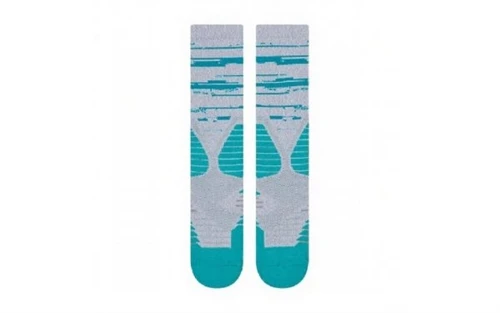
A pair of sports socks may look simple, but its construction involves several different fabric structures working together. The sole may need extra cushioning, the instep may use a more breathable knit, and the arch and cuff need enough elasticity to keep the sock in place. These features are largely determined by the yarns, stitch patterns, and machine settings used during knitting.
Computerized knitting is therefore central to sports sock manufacturing. It allows manufacturers to control how the fabric is formed across the cuff, leg, heel, and foot, with different structures incorporated into specific areas. After knitting, the sock goes through toe closing, shaping, finishing, and inspection before it is paired and packaged. Each stage contributes to the finished product, but the knitted construction establishes much of its fit and functional character.
Yarn Preparation and Production Setup
Translating the Design into a Knitting Program
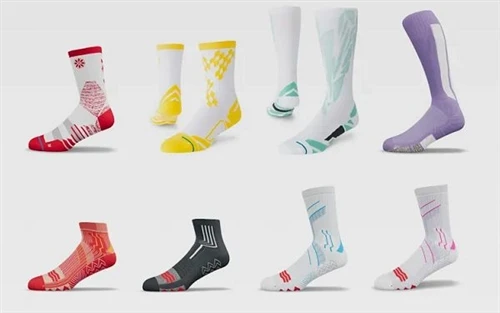
Before production starts, the design has to be translated into instructions that the knitting machine can follow. The manufacturer determines the sock's dimensions, stitch patterns, and the positions of features such as terry cushioning, mesh panels, and elasticated sections. These decisions need to work together. A thicker sole, for instance, changes the feel and bulk of the foot section, while a tighter arch area needs to accommodate the stretch of the surrounding fabric.
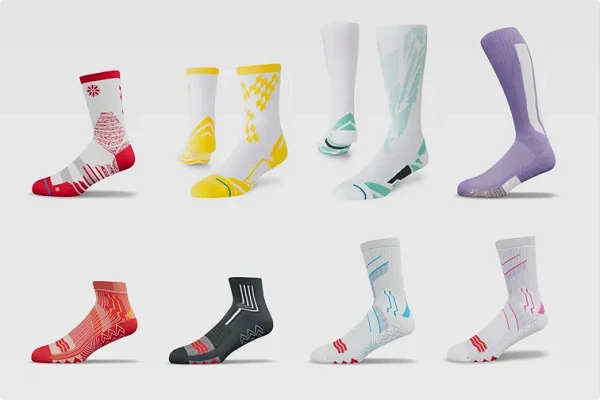
Visual details are considered at the same stage. Stripes, color blocks, and knitted logos need to be incorporated into the pattern without interfering with the intended construction. For custom orders, the design is developed into a knitting program and sample so that its appearance and fit can be assessed before bulk production. Brands planning a new range can explore custom sock development options when turning their design requirements into a production-ready product.
Choosing Yarn for the Intended Construction
Material selection depends on both the intended use and the way the sock will be constructed. Cotton can contribute softness, polyester is commonly selected for moisture management, nylon adds strength, and elastane provides stretch and recovery. Wool and specialty blends may also be suitable for particular performance or comfort requirements. Sports socks often combine several fibers because the cuff, foot, heel, and toe do not necessarily have the same material requirements.
The yarn also has to feed reliably through the knitting machine. Differences in thickness, quality, or feeding tension can affect loop formation and create variations in the fabric. A material that looks suitable on a specification sheet may not produce the desired result if it does not work well with the selected stitch structure. Manufacturers therefore need to consider fiber properties and machine compatibility together before production begins.
Computerized Knitting: How Sports Socks Take Shape
Forming the Sock on Circular Knitting Machines
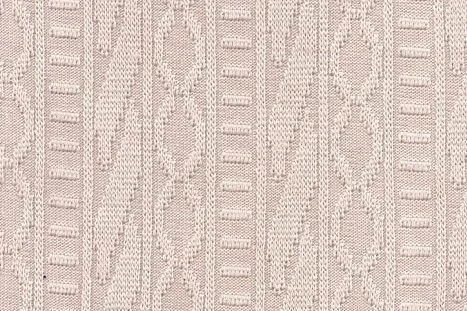
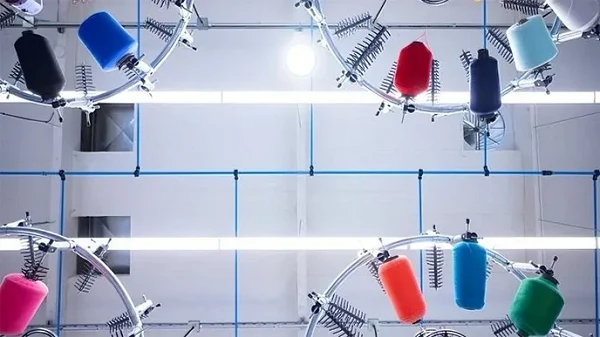
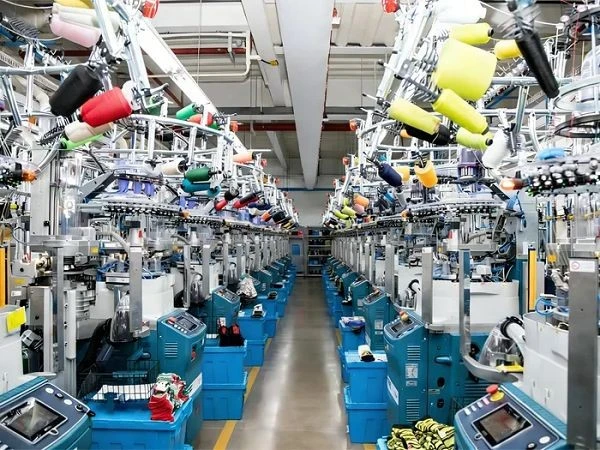
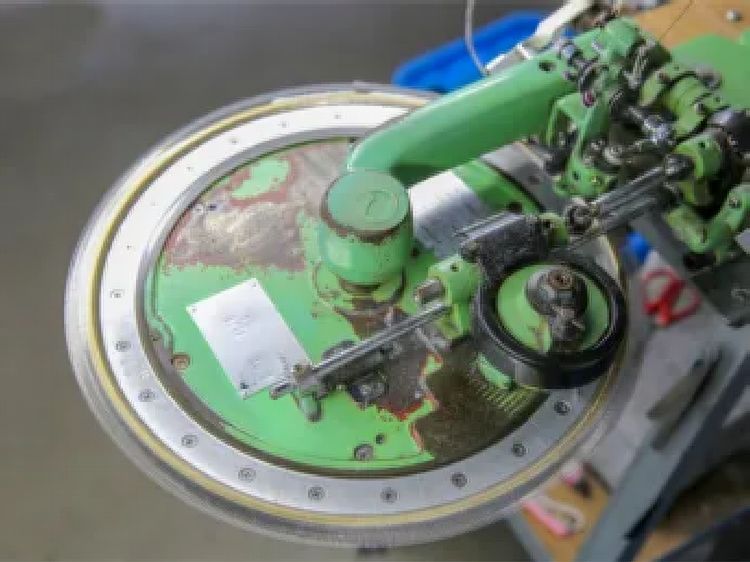
Computerized circular knitting machines form the main body of most performance sports socks. Yarn is fed into the machine as needles move in a programmed sequence, drawing it into interlocking loops. As knitting progresses, the fabric develops into the cuff, leg, heel, foot, and toe sections. The program controls stitch formation and the changes in construction needed to produce the required shape.
Unlike a basic sock made with a relatively uniform fabric, a sports sock may require several different structures within the same product. The knitting program determines where these changes occur and how they connect. This makes pattern development important: a change in one area can affect the dimensions, stretch, or feel of the surrounding fabric.
Once the program has been developed and tested, computerized control helps reproduce the construction across multiple pairs. Production still requires attention to yarn feeding and machine settings, particularly when a design contains frequent changes in stitch structure.
Combining Cushioning, Ventilation, and Support
Different parts of the foot have different contact and comfort requirements, which is why sports socks often combine several knit structures. Terry knitting creates loops on the fabric surface, producing a thicker, softer section commonly used underfoot. Depending on the design, cushioning may extend across much of the sole or be concentrated in selected areas. Mesh knitting creates a more open structure that allows greater airflow and is often positioned around the instep.
These constructions work best when their placement is considered together. A sock with mesh across the upper foot and terry cushioning underneath can provide ventilation where less thickness is needed and a softer surface where the foot presses against the shoe. Making the entire sock thick would increase bulk, while using a lightweight structure throughout might not provide the intended underfoot feel. The distribution of these zones needs to suit the footwear and the activity for which the sock is designed.
Elasticity is built into other areas through ribbed knitting and elastic yarns. The cuff needs to stretch over the leg and recover to help hold the sock in position, while a more fitted section around the arch can reduce unwanted movement inside the shoe. These areas must provide a secure fit without creating excessive pressure, so their dimensions and stretch characteristics need to be considered alongside the surrounding knit.
Reinforcing High-Wear Areas and Controlling Fit
The heel and toe experience repeated friction against footwear, making them important areas for durability. Depending on the product specification, manufacturers may use reinforced knitting or additional yarn in these sections to improve resistance to wear. Reinforcement needs to blend with the surrounding fabric; adding thickness without considering the overall construction can create uncomfortable transitions, particularly in close-fitting sports shoes.
Stitch density and yarn tension also influence the finished fabric. A denser knit produces a more compact structure, while a more open construction can provide greater flexibility and airflow. The appropriate balance depends on the material and the function of each section. If yarn tension varies during knitting, the fabric may become uneven or the finished dimensions may differ between pairs.
These variables are especially important when different structures meet within one sock. The fabric needs to stretch around the foot while maintaining the intended dimensions, and transitions between thicker, more elastic, and more open sections should not disrupt the fit. For custom orders, the approved sample provides a practical basis for checking whether the same construction has been reproduced during bulk production.
From Knitted Sock to Finished Product
Closing the Toe and Shaping the Sock
After knitting, the toe opening is closed to complete the sock. The seam sits at the front of the foot, so a bulky or uneven finish may be noticeable inside footwear. A consistent closure helps maintain a smooth feel, particularly in sports socks designed to fit closely.
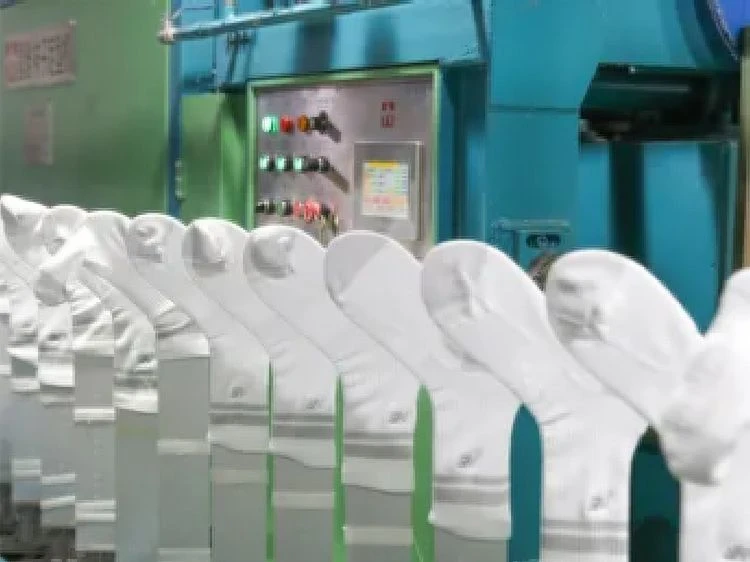
The sock is then shaped, commonly through a process known as boarding. Heat and controlled shaping help the knitted fabric settle into a more consistent form and size. The conditions need to suit the yarn and construction, since different materials respond differently to heat and finishing. Loose yarn ends are trimmed, and labels or approved branding details are applied as required.
Final Sorting, Pairing, and Packaging
Once finishing is complete, the socks are checked and matched before packing. Differences in color, dimensions, or knit appearance can become more obvious when pairs are placed together, especially in orders containing several sizes or colorways. Sorting helps ensure that each pair matches and that the products correspond to the required style and size.
Packaging depends on the sales channel and order specification. Retail-ready socks may need individual labels and branded packaging, while wholesale orders may use bulk packing. These requirements are best established during product development rather than left until the last stage, when packaging materials and labeling arrangements may affect the order schedule.
Quality Control and Manufacturing Capacity
Checking Quality Throughout Production
Quality checks need to reflect the stage of production. During knitting, operators can look for dropped stitches, yarn breaks, holes, uneven fabric, and misplaced functional zones. After toe closing and shaping, inspection shifts to seam quality, dimensions, and overall form. Checking these aspects at the relevant stages helps identify defects before the socks reach final packing.
The final inspection focuses on the finished product: loose threads, visible defects, color differences, and incorrect branding need to be identified before socks are paired and packed. The criteria should also reflect the particular construction. A sock with terry cushioning and mesh panels, for example, needs to be checked for the consistency and placement of those features as well as its general appearance.
Equipment and Capacity for Bulk Production
Producing a consistent design at scale requires knitting and finishing operations to work together. Computerized knitting machines establish the fabric construction, while linking, shaping, printing, embroidery, labeling, and inspection equipment support the remaining stages.
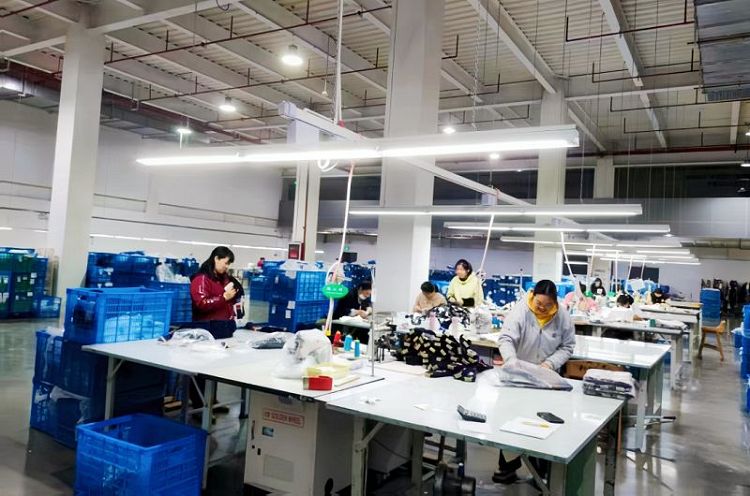
FutureStitch's manufacturing facility covers more than 30,000 m² and has an annual production capacity of over 20 million pairs. Its equipment includes 300 Lonati knitting machines, alongside equipment for linking, printing, embroidery, labeling, and other finishing operations. Buyers who want to learn more about the factory's manufacturing processes and equipment can explore its production capabilities in more detail.

Conclusion
Understanding how sports socks are knitted and finished helps buyers assess whether a manufacturer's production methods suit their product requirements. The construction needs to match the intended activity, while the finishing and inspection stages must preserve the approved fit, appearance, and quality across the order. For brands developing a new range or planning bulk production, these are the practical details worth discussing with a potential manufacturing partner.
Discuss Your Sports Sock Production Needs with FutureStitch