
Products Description
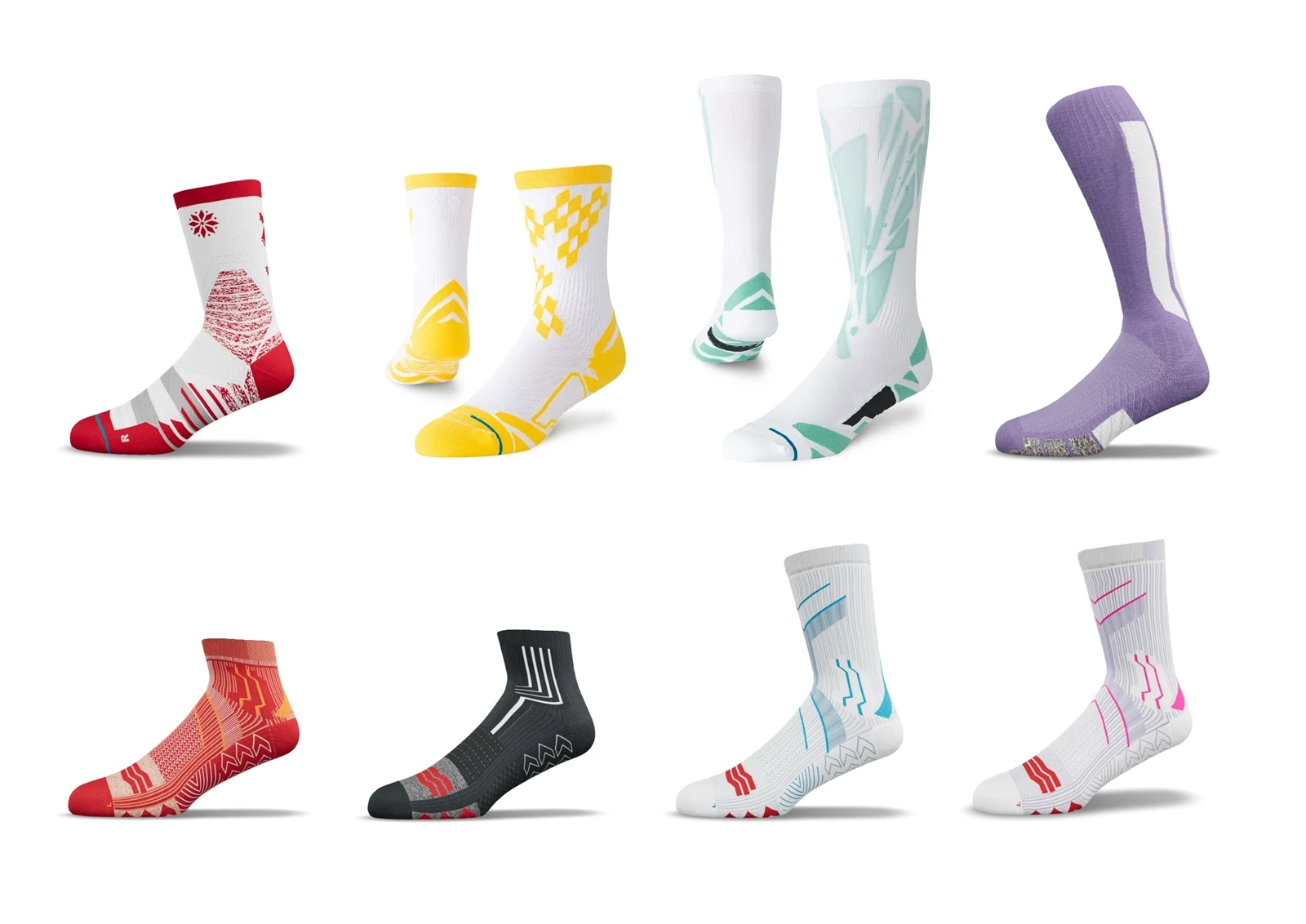
Why do your no-show socks keep slipping under your feet during squats, and why do tiny rocks find their way into your shoes when you go trail running? The problem may not be your shoes alone, because sock height affects ankle coverage, shoe-collar friction, and protection against outdoor debris. Choosing the right sock heights for different training sessions helps you match your socks to your movements, footwear, and training environment for a more comfortable workout.
Session 1: High-Impact Training & Rapid Direction Changes
For HIIT, basketball, badminton, and other workouts involving frequent jumps, sudden stops, and lateral movements, crew socks provide a practical balance of coverage, fit, and cushioning.
Choose Crew Socks for Ankle Coverage
Crew socks extend above the ankle to cover more skin and help reduce direct rubbing between the shoe collar and your lower leg during repeated jumps and direction changes.
Look for a Secure Rib-Knit Cuff
An elastic rib-knit cuff helps keep the sock in position during explosive movements, reducing the likelihood of the fabric slipping down or bunching inside your shoes.
Prioritize Cushioning in High-Impact Zones
Terry-knit cushioning around the heel and forefoot can improve comfort during repetitive landings without requiring an excessively thick sock.
Match Sock Height to Your Training Shoes
Crew socks work particularly well with mid-top and high-top basketball shoes or training shoes when you want additional coverage around the shoe opening.
Session 2: Long-Duration Cardio & Endurance Training
For road running, cycling, and golf practice, low-cut or no-show socks can suit athletes who prefer minimal coverage, provided the sock construction matches the footwear and duration of the session.
Choose Low-Cut Socks for Minimal Coverage
Low-cut socks leave more of the ankle exposed than crew socks, making them a suitable option for low-profile running shoes and cycling footwear in warm conditions.
01
Use No-Show Socks When Footwear Allows
No-show socks offer a discreet appearance with low-cut shoes, but their shorter cuffs may provide less protection against rubbing around the heel and ankle.
02
Check Heel Grip & Arch Support
A well-fitted heel pocket, secure heel-grip features, and supportive arch construction can help reduce slipping and fabric movement during repeated strides or pedal rotations.
03
Look for Breathable Knitting Structures
Mesh-knit panels and lightweight yarns can improve moisture management, although actual ventilation also depends on sock thickness, fiber composition, shoe construction, and weather conditions.
04
Adjust Height When Friction Develops
If your shoes repeatedly rub against exposed skin, switching to ankle or quarter socks may provide more appropriate coverage than choosing the lowest possible sock height.
05
Session 3: Heavy Lifting & Barbell Training
For deadlifts, squats, and powerlifting sessions, knee-high or over-the-calf socks are particularly useful when you need additional shin coverage or prefer a sock that extends well above the shoe collar.
Protect Your Shins During Deadlifts
Knee-high socks create a fabric barrier between the barbell and your shins, helping reduce direct skin abrasion when the bar travels close to your legs.
01
Choose a Secure Fit for Heavy Sets
A properly fitted leg and cuff can help prevent the sock from slipping or folding during repeated lifting movements, keeping the protective fabric where it is needed.
02
Balance Coverage With Shoe Fit
Select a sock thickness that provides sufficient shin protection without creating excessive pressure or bunching inside your lifting shoes.
03
Distinguish Regular Socks From Compression Socks
Knee-high length alone does not guarantee meaningful compression, improved circulation, reduced muscle vibration, or faster recovery, so evaluate those features separately if they are important to your training.
04
Consider the Exercise Before Choosing Height
Knee-high socks are useful when barbell contact is a concern, while shorter socks may be sufficient for exercises that do not expose the shins to repeated friction.
05
Session 4: Trail Running & Outdoor Terrain Training
For trail running, hiking, and outdoor workouts on rocky or dusty terrain, quarter socks offer a useful middle ground between minimal ankle coverage and the greater coverage of crew socks.
Reduce the Risk of Debris Entering Your Shoes
Quarter socks extend higher above the ankle than many low-cut styles, helping cover the gap around the shoe opening where small stones, dirt, and vegetation may enter.
01
Balance Coverage & Heat Management
Their moderate height provides additional protection without covering as much of the lower leg as crew socks, which can be useful during outdoor activity in warmer conditions.
02
Combine Height With Durable Construction
Reinforced heel and toe zones, suitable cushioning, and abrasion-resistant yarns can improve comfort and durability on uneven trails.
03
Match the Sock to Your Hiking Footwear
Quarter socks may work well with low-cut hiking shoes, while mid-cut or high-cut boots may require taller socks to reduce rubbing against the boot collar.
04
Check the Actual Cuff Position
Sock-height labels vary between brands, so compare where the cuff sits relative to your ankle bone and shoe opening instead of relying on the product name alone.
05
Match Sock Height With Knitting Structure & Shoe Fit
Sock height determines how much of your lower leg is covered, but knitting structure and fit influence how the sock performs throughout a training session.
Plain Knit & Mesh Knit
Lightweight plain-knit fabrics and mesh panels can reduce unnecessary bulk and support moisture management in training socks designed for warm conditions.
Terry Knit
Terry-knit loops create cushioning around selected areas, such as the heel, forefoot, and sole, where repeated impact or prolonged pressure may affect comfort.
Rib Knit
Rib-knit structures provide stretch and recovery around the cuff and leg, helping the sock maintain a secure fit during movement.
Compression Knit
Compression-oriented designs require attention to their actual pressure characteristics and intended use because the height of a sock alone does not determine its compression performance.
How to Choose the Right Sock Height for Your Weekly Training Plan
The most practical way to choose sock heights for different training sessions is to start with your primary activity, then consider your footwear, exposure to friction, and preferred level of coverage.
- For HIIT & Basketball: Choose crew socks when you want additional ankle coverage and a secure fit during repeated jumps and direction changes.
- For Road Running & Cycling: Consider low-cut or no-show socks when minimal coverage suits your footwear and you do not experience heel slippage or ankle friction.
- For Deadlifts & Powerlifting: Choose knee-high socks when you need a protective fabric layer over your shins.
- For Trail Running & Hiking: Consider quarter socks or taller options when dirt, small stones, and shoe-collar friction are recurring concerns.
- For Mixed Training Weeks: Keep different sock heights available so you can select a suitable pair for each session rather than expecting one design to work equally well for every activity.
FutureStitch offers sports sock manufacturing options that can support the development of different sock heights, knitting structures, cushioning arrangements, and fit characteristics for specific athletic applications. Buyers can evaluate these design requirements together when developing sports sock collections for running, basketball, strength training, and outdoor activities.



FAQ
Q: Are No-Show Socks Suitable for HIIT?
A: No-show socks can work for HIIT when they fit securely inside the shoes, but low-cut or crew socks may be more suitable if the shoe collar causes friction or the socks repeatedly slip.
Q: Are Knee-High Socks Necessary for Deadlifts?
A: Knee-high socks are not essential for every lifter, but they provide additional shin coverage that can help reduce abrasion from barbell contact during deadlifts.
Q: Are Quarter Socks Better Than Ankle Socks for Hiking?
A: Quarter socks generally provide more coverage above the ankle than ankle socks, making them a useful option for dusty trails, although taller socks may be preferable with boots that have higher collars.
Q: Do Taller Socks Provide Better Ankle Support?
A: Taller socks cover more of the lower leg, but sock height alone does not provide meaningful ankle stabilization or replace properly fitted footwear and appropriate training technique.
Q: Should Sock Height Change With the Weather?
A: Sock height can be adjusted for comfort and coverage in different weather conditions, but yarn selection, fabric thickness, ventilation, and footwear also influence heat and moisture management.