

Soft fabrics play a crucial role in the design and production of baby socks. As a baby sock supplier, I've witnessed firsthand the significance of using high-quality, soft materials for these tiny essentials. In this blog, I'll delve into why soft fabrics matter for baby socks, exploring various aspects, from baby comfort to long-term health benefits.
Comfort is King
The first and most obvious reason why soft fabrics are essential for baby socks is comfort. Babies have extremely delicate skin, which is much thinner and more sensitive than adult skin. According to a study published in the Journal of Pediatric Dermatology, a baby's skin is about 30% thinner than an adult's. This means that rough or scratchy materials can easily cause irritation, redness, and even abrasions.
Soft fabrics, such as organic cotton, bamboo, and merino wool, are gentle on a baby's skin. Organic cotton is free from pesticides and synthetic chemicals, reducing the risk of allergic reactions. Bamboo fabric is naturally hypoallergenic and has excellent moisture-wicking properties, keeping the baby's feet dry and comfortable. Merino wool is soft, breathable, and temperature-regulating, ensuring that the baby's feet stay at a comfortable temperature regardless of the weather.
When a baby is wearing comfortable socks, they are less likely to fuss and cry due to discomfort. This not only makes the baby happier but also gives parents peace of mind. A well-rested and content baby is more likely to develop and grow properly, as they can focus on exploring their surroundings rather than being distracted by itchy or uncomfortable feet.
Safety Considerations
Soft fabrics also contribute to the safety of baby socks. Babies are constantly on the move, and their feet are often in contact with various surfaces. Rough or stiff fabrics can cause friction, which may lead to blisters or calluses. These can be painful for the baby and may even affect their ability to crawl or walk properly.
In addition, soft fabrics are less likely to cause entanglement. Babies have a habit of putting their feet in their mouths or grabbing at their socks. If the fabric is too rough or has loose threads, there is a risk of the threads getting caught around the baby's toes, which can cut off circulation and cause serious damage. Soft, well-made fabrics reduce this risk significantly.
Our Baby Anti-Slip Socks are made from soft, high-quality materials that not only provide comfort but also have anti-slip soles. This helps prevent slips and falls, which are a major concern for parents with crawling or walking babies. The soft fabric ensures that the socks fit snugly without causing any discomfort, while the anti-slip feature gives parents an extra sense of security.
Hygiene and Health
Soft fabrics are also better for the hygiene and health of a baby's feet. As mentioned earlier, materials like bamboo and organic cotton have natural antibacterial and moisture-wicking properties. This helps keep the feet dry and free from bacteria, which can cause unpleasant odors and foot infections.
Babies' feet tend to sweat a lot, especially when they are active. If the socks are made from non-breathable materials, the sweat can get trapped, creating a breeding ground for bacteria. Soft, breathable fabrics allow air to circulate around the feet, reducing the risk of fungal infections such as athlete's foot.
Moreover, soft fabrics are easier to clean and maintain. They can withstand regular washing without losing their shape or softness. This is important because baby socks need to be washed frequently to keep them clean and hygienic.
Developmental Benefits
The right type of soft fabric in baby socks can also have developmental benefits. When a baby's feet are comfortable, they are more likely to engage in activities that help with motor skill development. For example, crawling and walking are important milestones in a baby's development, and comfortable socks can encourage them to explore their environment more freely.
Soft fabrics also allow for better sensory perception. A baby's feet are full of nerve endings, and the sensation of soft fabric against their skin can stimulate these nerve endings, promoting sensory development. This can have a positive impact on the baby's overall cognitive and physical development.
Style and Versatility
Soft fabrics offer a wide range of styling options for baby socks. They can be easily dyed and printed, allowing for a variety of colors and patterns. This means that parents can choose socks that not only provide comfort but also match their baby's outfit.
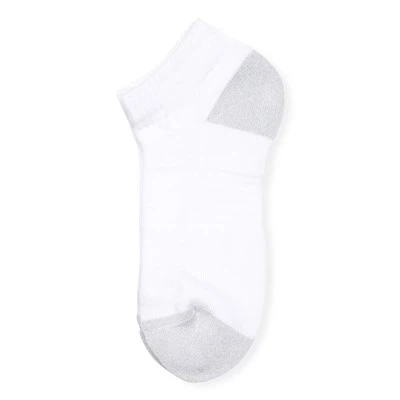
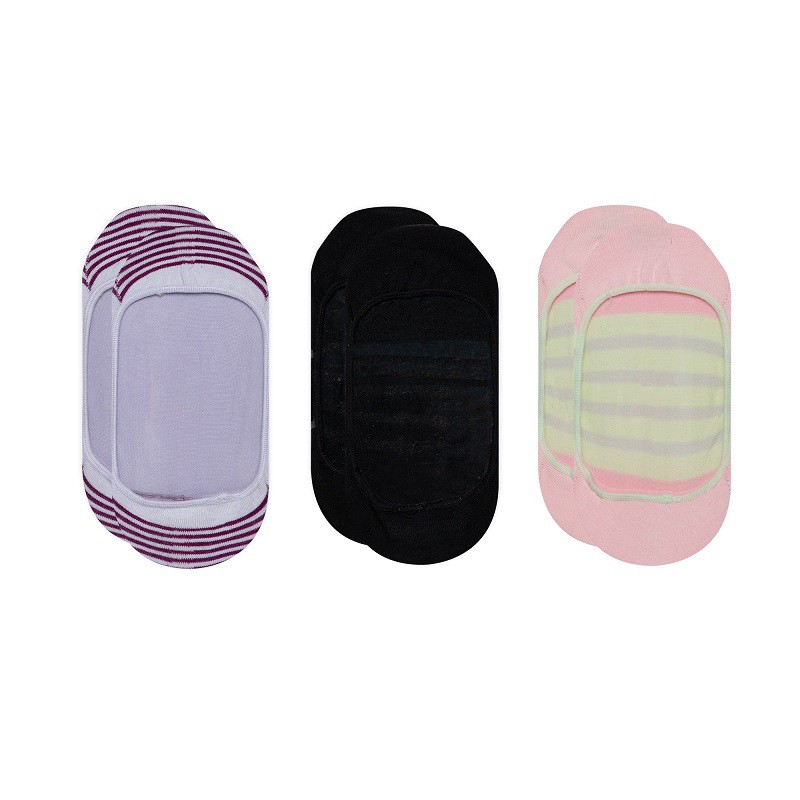
Our Baby Ankle Socks come in a variety of soft fabrics and styles. Whether you're looking for cute animal prints or simple solid colors, we have something to suit every taste. The soft fabric ensures that the socks are not only stylish but also comfortable for the baby to wear.
Environmental Impact
In today's world, environmental sustainability is becoming increasingly important. Soft fabrics like organic cotton and bamboo are more environmentally friendly than synthetic materials. Organic cotton is grown without the use of pesticides and synthetic fertilizers, which reduces the impact on the environment and the health of farmers. Bamboo is a fast-growing, renewable resource that requires less water and land compared to traditional cotton.
By choosing baby socks made from soft, sustainable fabrics, parents can make a positive contribution to the environment while also ensuring the comfort and health of their baby.
Conclusion
In conclusion, soft fabrics are of utmost importance for baby socks. They provide comfort, safety, hygiene, and developmental benefits with style and are environmentally friendly. As a baby sock supplier, we are committed to using only the highest-quality soft fabrics in our products.


If you're interested in purchasing baby socks for your little one or are a retailer looking to stock our products, we'd love to hear from you. Contact us to discuss your needs and start a procurement negotiation. We're confident that our soft, comfortable, and stylish baby socks will meet your expectations.
References
- Stamatas, G. N., & Nikolovski, J., "Skin Structure and Function in Infants and Children", Journal of Pediatric Dermatology, 2010.