

When it comes to hiking, every detail matters, and one often overlooked aspect is the choice of hiking socks. As a dedicated hiking socks supplier, I've witnessed firsthand the transformative power of well-designed socks in enhancing the overall hiking experience. In this blog, I'll delve into the crucial features of moisture-wicking and foot protection design in hiking socks, exploring why they are essential for hikers of all levels.
The Importance of Moisture-Wicking in Hiking Socks
Moisture management is a key consideration in hiking socks, as excessive sweat can lead to a variety of problems, including blisters, fungal infections, and discomfort. Hiking is a physically demanding activity that causes the feet to sweat profusely, especially in hot and humid conditions. Without proper moisture-wicking, the feet can become saturated, leading to a slippery environment inside the shoe that increases the risk of blisters.
Moisture-wicking fabrics are designed to draw sweat away from the skin and transfer it to the outer layer of the sock, where it can evaporate more quickly. This helps to keep the feet dry and comfortable, reducing the risk of blisters and other foot problems. Synthetic materials such as polyester and nylon are commonly used in moisture-wicking socks due to their ability to wick away moisture efficiently. These materials are also lightweight and breathable, allowing air to circulate the feet and prevent overheating.
In addition to synthetic materials, some hiking socks incorporate natural fibers such as merino wool. Merino wool is a popular choice for hiking socks because it has excellent moisture-wicking properties, as well as natural antibacterial and odor-resistant qualities. Merino wool can absorb up to 30% of its weight in moisture without feeling wet, and it releases moisture quickly to keep the feet dry. It also has a natural crimp that provides insulation and helps to regulate body temperature, making it suitable for a wide range of hiking conditions.
Foot Protection Design in Hiking Socks
In addition to moisture-wicking, foot protection is another important consideration in hiking socks. Hiking involves a lot of walking, climbing, and uneven terrain, which can put a lot of stress on the feet. A good pair of hiking socks should provide adequate cushioning and support to protect the feet from impact and reduce the risk of injuries.
Cushioning is an essential feature in hiking socks, as it helps to absorb shock and reduce the impact of each step. Most hiking socks have cushioning in the sole, heel, and toe areas, where the feet experience the most pressure. The cushioning can be made from a variety of materials, including foam, gel, and wool. Foam cushioning is lightweight and provides good shock absorption, while gel cushioning is more flexible and can conform to the shape of the foot. Wool cushioning is natural and breathable, and it provides excellent insulation and comfort.
Support is another important aspect of foot protection in hiking socks. Hiking socks should have a snug fit that provides support to the arches and ankles, helping to prevent sprains and other injuries. Some hiking socks have reinforced heels and toes to provide additional support and durability. These areas are often subjected to the most wear and tear, so reinforced construction can help to extend the life of the socks.
Design Features for Enhanced Comfort and Performance
In addition to moisture-wicking and foot protection, there are several other design features that can enhance the comfort and performance of hiking socks. One such feature is seamless construction. Seamless socks are designed to eliminate irritation and hot spots by reducing friction between the sock and the foot. They are often made using advanced knitting techniques that create a smooth, seamless interior.
Another important design feature is the use of compression technology. Compression socks are designed to apply gentle pressure to the legs and feet, improving blood circulation and reducing fatigue. This can be especially beneficial for hikers who spend long hours on their feet. Compression socks can also help to prevent swelling and reduce the risk of deep vein thrombosis (DVT).
Some hiking socks also feature anti-odor technology to keep the feet smelling fresh. This is achieved through the use of antibacterial agents that inhibit the growth of odor-causing bacteria. Anti-odor technology can be particularly useful on multi-day hikes or in hot and humid conditions.
Our Range of Hiking Socks
As a leading hiking socks supplier, we offer a wide range of socks designed to meet the needs of hikers of all levels. Our socks are made from high-quality materials and feature advanced moisture-wicking and foot protection technologies.
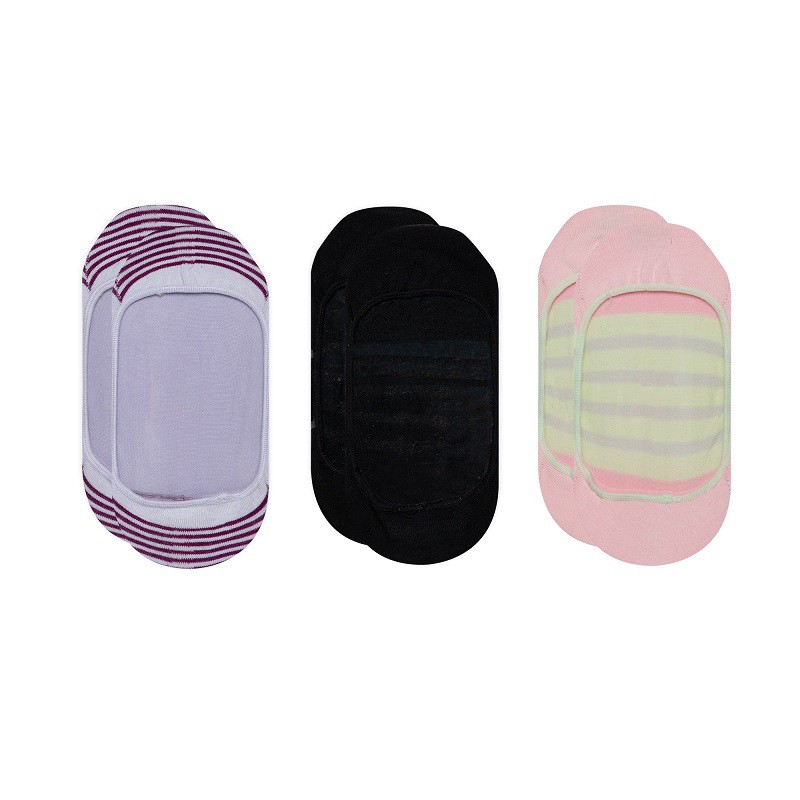
For women, we offer a variety of styles, including Women's Thin Crew Socks and Women's Cotton Invisible Socks. Our women's thin crew socks are perfect for warm weather hiking, as they are lightweight and breathable. They feature moisture-wicking technology to keep the feet dry and comfortable, and they have a snug fit that provides support to the arches and ankles. Our women's cotton invisible socks are ideal for wearing with low-cut shoes or sandals. They are made from soft, breathable cotton and have a moisture-wicking lining to keep the feet dry.
For men, we offer Invisible Socks With Heel Grips. These socks are designed to stay in place, even during the most strenuous activities. They feature a moisture-wicking fabric that keeps the feet dry and comfortable, and they have a padded sole for added cushioning and support.
Conclusion
In conclusion, moisture-wicking and foot protection are two crucial features in hiking socks. A good pair of hiking socks should be able to keep the feet dry, comfortable, and protected from the rigors of the trail. As a hiking socks supplier, we are committed to providing high-quality socks that meet the needs of hikers of all levels. Whether you're a beginner or an experienced hiker, we have the perfect pair of socks for you.
If you're interested in learning more about our hiking socks or would like to discuss a potential purchase, please don't hesitate to contact us. We look forward to working with you to find the perfect socks for your next hiking adventure.
References
- "How to Choose Hiking Socks" REI Expert Advice
- "The Best Hiking Socks | Tested & Ranked" OutdoorGearLab
- "Which Hiking Socks Last the Longest and Dry the Fastest? We Tested Them in Our Lab" Backpacker Magazine
- "The 8 Best Hiking Socks" REI Expert Advice
- "How to Prevent and Treat Blisters" REI Expert Advice