

If you're a guy who's ever stared at a rack of socks at the store or scrolled through 17 tabs trying to pick the right pair online, you know it's not as simple as just grabbing any black pair. As someone who's been in the men's socks game for years-supplying pairs that don't slip down mid-day, don't get holes after three washes, and actually look good-I've talked to thousands of guys who make the same mistakes when choosing crew socks. Most of the time it's not even that they care that much, but they pick a pair that either kills their vibe by noon or looks totally out of place. Today I'm breaking down everything you need to nail the crew sock pick: length, material, style tips, and even how to avoid the lazy socks that make you want to kick off your shoes before you even get home.
First things first: what is a crew sock, anyway? For the uninitiated, it's that mid-calf length sock you've probably worn your whole life, but a lot of people mix it up with quarters or low cuts, which is where the confusion starts. Let's talk length first because this is the biggest tell of whether you'll actually like wearing a pair. A standard men's crew sock hits right at the middle of your calf-no shorter than that, no longer. I see so many guys accidentally grab a pair that's technically a crew but sits right at the ankle, which feels like a cheap knockoff. The problem with too-short crew socks? They ride down. By 2 p.m., you're yanking at your sock every time you sit, which is just awkward and uncomfortable. Too long? They bunch at the top of your boot or pant leg, making your pants look like they're too tight around the ankle.
Wait, but what if you're not into the full crew? A lot of my customers come to us asking about alternatives, especially depending on what they're wearing. If you're into something a little shorter than a standard crew, our Men's Cotton Quarter Socks are a solid pick-they hit just above the ankle, so they work if you're wearing sneakers with rolled-up jeans or something more casual. But if you're dead set on a crew, the sweet spot is that mid-calf spot. I test every batch of socks we sell by wearing them for 12-hour days at our warehouse-so if I can move pallets, climb ladders, and run to grab coffee without my socks slipping, they're good to go.
Next up: material. This is where 90% of guys mess up. Most off-the-rack men's socks are 100% cotton, but that's actually a terrible choice for crew socks. Wait, hold on-before you yell at me, let's clarify: cotton is soft, but it's also moisture-heavy. If you're wearing cotton crew socks all day, by the afternoon they're soaked with sweat, and they don't dry out. That leads to blisters, stinky feet, and just general grossness. So what's the right material for a crew sock? It's a blend, but the key is cotton as the base with synthetic fibers like polyester, nylon, or spandex added in.
Let's break it down. Cotton alone is great for softness, but it lacks durability and moisture-wicking properties. When we make our crew socks, we use a 60/35/5 blend: 60% cotton for breathability, 35% polyester to pull sweat away from your skin and keep the sock's shape, and 5% spandex to make sure it stays up without being tight. I've had guys tell us, "Your socks don't fall-what's the trick?" That spandex is the secret-too much, and it cuts off circulation; too little, and you're pulling them up every 10 minutes. Another material to watch for is merino wool, but that's more for winter. Our cotton-blend crews work year-round, even in the summer because the polyester wicks moisture fast.
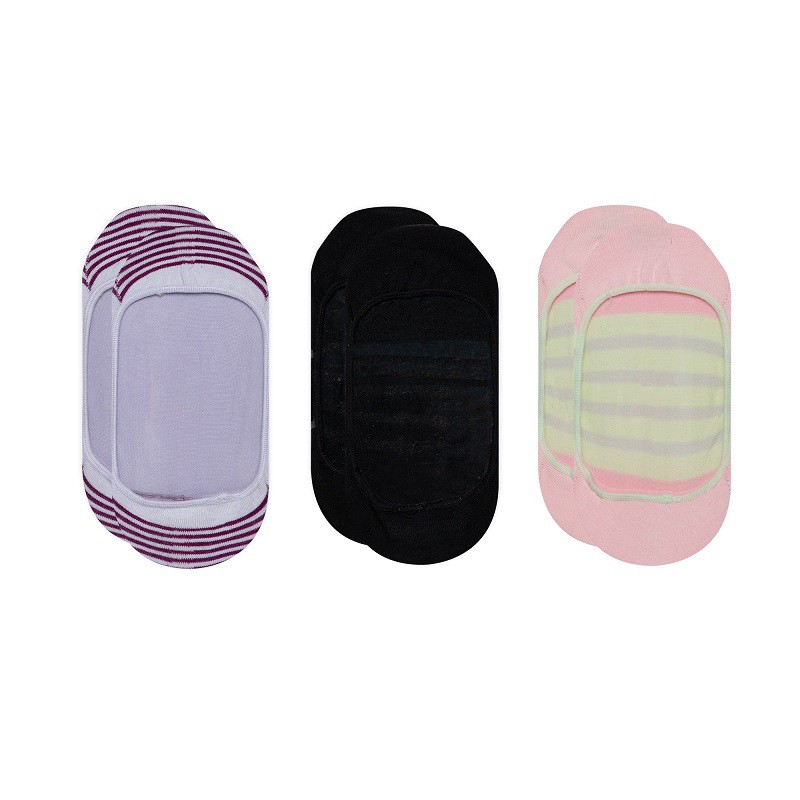
Wait, but what about if you prefer something thinner? We also get guys asking about lighter socks, and while crew socks are typically a mid-weight, we have pairs that aren't too bulky. If you want a thin crew, our Women's Thin Crew Socks (I know, we supply men's and women's; don't zone out) are a great reference for how a thin crew should fit-they're not see-through, but they're light enough to wear with dress shoes too. For men, our thin cotton blends work well if you're wearing slimmer pants that don't have extra room at the ankle. And on the opposite end, if you work outside or do a lot of walking, a thicker blend with a little more polyester is better for cushioning.
Now, style tips. This is the fun part, and it's where guys either nail it or look like they borrowed their little brother's socks. Let's start with the basics: black socks. Most guys default to black, which is fine, but it's easy to get boring. For workwear, if you're wearing dark trousers (black, charcoal, navy), a solid black crew is safe, but make sure it's not so thick that it peeks out over your boot when you sit down. For casual wear, like jeans and sneakers, you have more flexibility. If you're going for a retro vibe, a white crew sock with rolled jeans under high-top sneakers is a look that's been big the last few years and isn't going anywhere fast. Pro tip here: make sure the white isn't off-white-stay bright, and avoid any weird logos that say "sports team" unless that's your whole brand.
Color is where you can have a little fun, but don't overdo it. A lot of guys think, "If it's a crew sock, it has to be loud," and end up with neon green pairs that clash with everything. Stick to complementary colors: if you're wearing gray pants, go with a navy or burgundy crew sock. If you're wearing khakis, a forest green or light gray works. And rule number one for color with crew socks: never let your sock clash with your shoe. Wait, no-actually, let's rephrase that: always let your sock match your pants or your shirt, not your shoes. For example, if you're wearing black shoes and blue jeans, a blue crew matches the jeans way better than black, and it adds a little pop without being weird.
Another thing to avoid: logos that are too big. I've seen guys wear crew socks with a logo the size of their palm, and it looks like they're wearing a billboard on their feet. Small, subtle logos-like a tiny stripe or a tiny brand mark-are fine, but keep it understated. If you want to show your personality, go for a pattern that's not too busy: subtle stripes, argyle (but only if you're dressing up), or a small geometric pattern. Argyle is totally okay for dressier occasions, by the way-just make sure it's muted colors, not bright pink and blue.
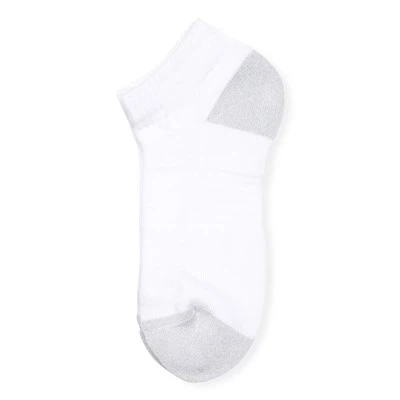
Wait, let's talk about when not to wear crew socks, because that's part of the style puzzle. If you're wearing shorts (especially shorts above the knee), never wear crew socks. That's a huge fashion no-no. For shorts, you want invisible socks or low cuts. Our 100 Cotton Men's Low Cut Socks are perfect for this-they stay hidden under sneakers or boat shoes, so you don't have that weird sock line peeking out when you walk. If you need something a little bit above the ankle but still short, the Men's Cotton Quarter Socks I mentioned earlier are the sweet spot for shorts that hit right at the knee. Crew socks with shorts? Only for very specific occasions, like a 90s costume, or if you're hiking in full winter gear. Save that for those cases.
I also get a lot of questions about sock thickness for different shoes. If you're wearing dress shoes-like oxfords or blazers with slacks-you want a thin, plain crew sock, not a thick cushion pair. Thick socks under dress shoes make your feet look bulky, and they can bunch up in the shoe. We make a thin blend crew that's exactly for that-made with the same cotton-poly mix, just a lighter knit, so it's smooth under dress shoes without being see-through. For boots, though, a thicker crew is better, especially work boots. The extra cushion and thickness prevent blisters and keep your feet warm in the winter.
Common mistakes I see guys make and how to fix them. First, buy too many cheap packs. The $5 for 10 pairs of socks? They're garbage. They fade after one wash, stretch out so they don't stay up, and get holes in the heel in a week. Investing in a good 3 or 4 pairs of quality crew socks is way better than a pile of cheap ones you have to replace every month. Second, do not check the sizing. A lot of guys buy socks based on shoe size, but sock size matters too. If you have a size 13 foot, a medium crew sock will be too short, so it'll slip. Always check the size chart-we have a sizing guide on our site that matches shoe size to sock size, so you don't guess wrong. Third, ignore care instructions. Socks last longer if you wash them in cold water and air-dry them instead of putting them in the dryer. The heat from the dryer breaks down the spandex and makes them stretch out fast.
Wait, let's circle back to what makes a good crew sock, since I'm in the supply business. It's not just length, material, or style-it's how it holds up. All of our crew socks are tested for 100+ washes, which is way more than the industry standard. We've had customers tell us they've worn the same pair for two years, and they still fit and look good. The key is that blend-too much synthetic makes them scratchy, and too much cotton makes them soggy. We hit that sweet spot where they're soft, breathable, and durable.
If you're a guy who's been dreading sock shopping or is tired of socks that let you down, here's my quick guide: 1) Grab a mid-calf crew sock in a cotton-poly blend, no more than 5% spandex for fit. 2) Pick colors that match your pants, not your shoes-stick to navy, gray, burgundy for versatility. 3) Avoid loud logos and thick pairs for dress shoes. 4) Save crew socks for pants, not shorts.
Now, if you're a guy who wants to stock up on quality crew socks, or you're a retailer looking to carry men's socks that actually sell, we're here to help. We supply socks for individuals and businesses, and all of our pairs are tested to last. No more cheap socks that fall apart, no more pairs that slip down midday, and no more awkward style misses. If you're ready to upgrade your sock game or want to talk about bulk ordering, get in touch with our team to learn more about our selection and pricing. We've got all the styles you need: from thin dress crews to thick work crews and neutral colors to subtle patterns, so you can find exactly what you're looking for.
References:
- Textile Institute. (2021). Sock Material Performance: Breathability and Durability in Daily Wear. Journal of Textile and Apparel, Technology and Management, 12(3), 1-12.
- American Orthopedic Foot and Ankle Society. (2022). Proper Sock Selection for Foot Health. Retrieved from aofas.org
- Fashion Institute of Technology. (2023). Men's Casual and Professional Footwear Styling Guidelines. FIT Museum and Library Collections.
- Cotton Council International. (2020). Cotton Blends in Apparel: Benefits for Comfort and Function. CottonUSA Research Reports.