

Moisture-wicking socks have become a staple in the athletic world, offering a blend of comfort, performance, and health benefits. As a sports socks supplier, we understand the science behind these innovative products and why they are crucial for athletes. In this blog, we'll delve into the technology behind moisture-wicking socks and explore why it matters for athletes.
The Science of Moisture Wicking
At the heart of moisture-wicking technology is the principle of capillary action. Capillary action is the ability of a liquid to flow in narrow spaces without the assistance of, or even in opposition to, external forces like gravity. In the context of socks, this means that the fabric is engineered to draw sweat away from the skin and spread it across a larger surface area, where it can evaporate more quickly.
Most moisture-wicking socks are made from synthetic fibers such as polyester, nylon, or a blend of both. These fibers have a unique molecular structure that allows them to absorb and transport moisture effectively. For example, polyester is hydrophobic, which means it repels water. Instead of absorbing sweat like cotton, polyester fibers move the moisture to the outer layer of the sock, where it can evaporate.
In addition to synthetic fibers, some moisture-wicking socks also incorporate natural fibers like merino wool. Merino wool is a great choice for athletic socks because it is breathable, odor-resistant, and has natural moisture-wicking properties. Merino wool fibers have a scaly surface that helps to wick moisture away from the skin, and they can absorb up to 30% of their weight in moisture without feeling wet.
Benefits for Athletes
The technology behind moisture-wicking socks offers several benefits for athletes, including:
- Comfort: Moisture-wicking socks keep your feet dry and comfortable, even during intense workouts or long periods of activity. By preventing sweat from pooling on your skin, these socks reduce the risk of blisters, chafing, and other foot problems.
- Performance: When your feet are dry and comfortable, you can perform at your best. Moisture-wicking socks help to regulate your body temperature, which can improve your overall performance and endurance.
- Health: Keeping your feet dry is essential for preventing foot infections and other health problems. Moisture-wicking socks help to reduce the risk of athlete's foot, toenail fungus, and other common foot ailments.
- Odor Control: Synthetic fibers and merino wool are both naturally odor-resistant, which means that moisture-wicking socks can help to keep your feet smelling fresh, even after a long day of activity.
Types of Moisture-Wicking Socks
As a sports socks supplier, we offer a wide range of moisture-wicking socks to meet the needs of athletes of all levels. Here are some of the most popular types of moisture-wicking socks we carry:
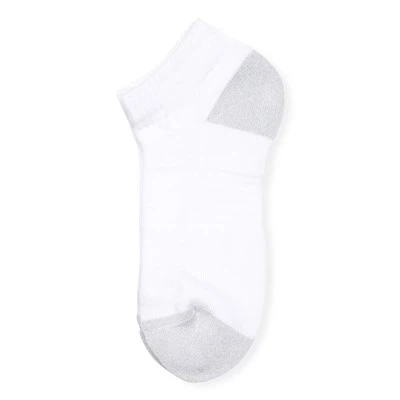
- Men's Ankle High Socks: These socks are perfect for athletes who prefer a low-profile look. They provide just enough coverage to protect your ankles from blisters and chafing while still allowing your feet to breathe.
- Women's Cushioned Low Cut Socks: These socks are designed to provide extra cushioning and support for women's feet. They are ideal for activities like running, walking, and yoga, where comfort and support are essential.
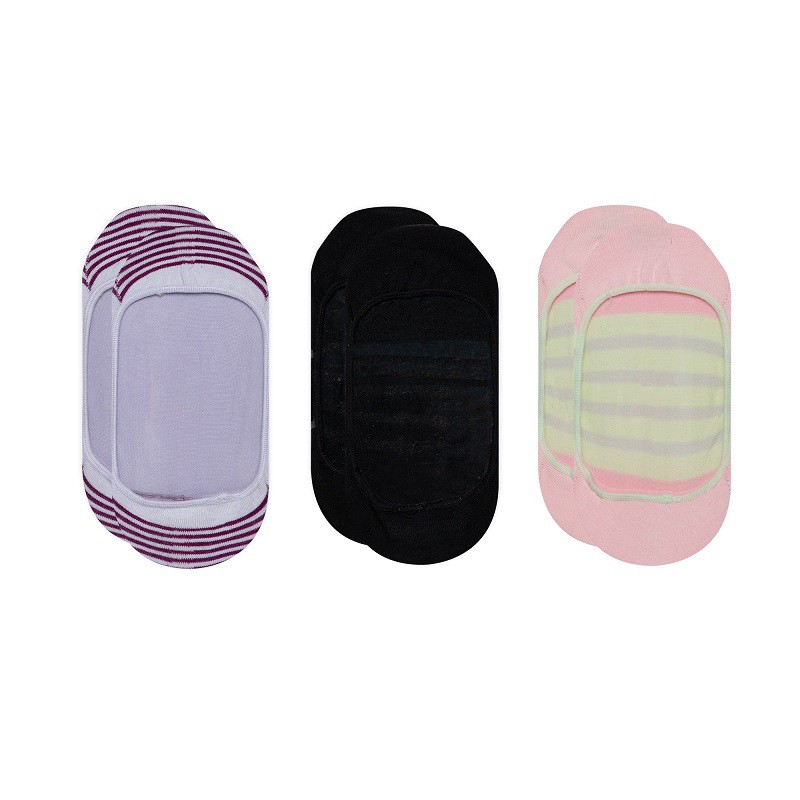
- Seamless Low Cut Socks for Womens: These socks are made with seamless construction, which means that there are no seams to rub against your skin. They are perfect for athletes who have sensitive feet or who prefer a more comfortable fit.
How to Choose the Right Moisture-Wicking Socks
When choosing moisture-wicking socks, there are several factors to consider, including:
- Activity Level: If you are a serious athlete who participates in high-intensity activities, you may want to choose socks that are specifically designed for your sport. For example, running socks may have extra cushioning in the heel and ball of the foot, while cycling socks may have a tighter fit to prevent slipping.
- Foot Shape and Size: Make sure to choose socks that fit your feet properly. Socks that are too tight can restrict blood flow and cause discomfort, while socks that are too loose can bunch up and cause blisters.
- Material: As mentioned earlier, most moisture-wicking socks are made from synthetic fibers or a blend of synthetic and natural fibers. Consider the climate and your personal preferences when choosing the material for your socks. For example, if you live in a hot and humid climate, you may want to choose socks that are made from a breathable synthetic material.
- Brand and Quality: Not all moisture-wicking socks are created equal. Look for socks from reputable brands that use high-quality materials and construction. Read reviews from other athletes to get an idea of the quality and performance of different brands.
Conclusion
Moisture-wicking socks are an essential piece of equipment for athletes of all levels. By keeping your feet dry, comfortable, and healthy, these socks can help you perform at your best and enjoy your favorite activities without the distraction of foot problems. As a sports socks supplier, we are committed to providing our customers with the highest quality moisture-wicking socks on the market. If you have any questions or would like to learn more about our products, please don't hesitate to contact us to discuss your procurement needs. We look forward to helping you find the perfect socks for your athletic lifestyle.
References
- "Merino Wool Proven To Have Superior Thermoregulation Advantage For Athletes, Backed By Breakthrough Research." Textile World.
- "Quality Fabric Of The Month: Merino Wool: Performance For All Seasons." Textile World.
- "The Best Running Socks for Blister Protection and Odor Control." Runner's World.
- "The Best Running Socks to Shop, Tested Over Thousands of Miles." Runner's World.
- "Wool is Naturally Breathable." The Woolmark Company.
- "Discover Wool's Dynamic Breathability for Sport." The Woolmark Company