

Socks are an essential part of our daily attire, yet many of us have experienced the unpleasant issue of smelly socks. This phenomenon is not only embarrassing but can also be a sign of underlying problems. As a sock supplier, I've delved deep into the science behind sock odor and the solutions offered by odor-resistant fabrics. In this blog, I'll share with you why your socks smell and how odor-resistant fabrics can help.
Why Do Socks Smell?
1. Bacterial Activity
The primary culprit behind smelly socks is bacteria. Our feet have a large number of sweat glands, with an estimated 250,000 sweat glands per foot. When we wear socks, the warm and moist environment created inside our shoes is an ideal breeding ground for bacteria. These bacteria feed on the sweat produced by our feet. As they break down the sweat, they release various by-products, including volatile fatty acids, which are responsible for the unpleasant odor.
For example, Propionibacterium and Staphylococcus are common bacteria found on our feet. Propionibacterium thrives in the moist areas between our toes and produces short-chain fatty acids that have a distinct, unpleasant smell. Staphylococcus, on the other hand, can break down proteins in sweat, generating amines that also contribute to the odor.
2. Poor Ventilation
Wearing socks made from non-breathable materials can exacerbate the problem. When socks don't allow air to circulate, the moisture from sweat can't evaporate effectively. This trapped moisture creates a more favorable environment for bacteria to grow. For instance, some synthetic materials like nylon can be quite airtight, preventing the exchange of air between the foot and the outside environment. As a result, the sweat accumulates, and the bacteria multiply rapidly, leading to a stronger odor.
3. Foot Hygiene
Inadequate foot hygiene can also play a significant role in smelly socks. If you don't wash your feet regularly, dead skin cells, dirt, and sweat can build up on your feet. These substances provide additional food sources for bacteria, increasing the likelihood of odor. Moreover, not changing your socks frequently enough allows bacteria to continue growing and producing odor.
How Odor-Resistant Fabrics Help
1. Antibacterial Properties
Odor-resistant fabrics are often treated with antibacterial agents. These agents work by inhibiting the growth of bacteria on the socks. For example, silver nanoparticles are commonly used in odor-resistant socks. Silver has natural antibacterial properties and can disrupt the cell membranes of bacteria, preventing them from multiplying. This reduces the amount of bacteria on the socks and, consequently, the production of odor-causing by-products.
Some fabrics are also treated with triclosan, a broad-spectrum antibacterial agent. Triclosan works by interfering with the bacteria's ability to produce essential fatty acids, which are necessary for their survival. As a result, the growth of bacteria is suppressed, and the socks stay fresher for longer.
2. Moisture Wicking
Another key feature of odor-resistant fabrics is their moisture-wicking ability. These fabrics are designed to draw sweat away from the skin and onto the surface of the sock, where it can evaporate more easily. By keeping the feet dry, the environment becomes less favorable for bacteria to grow.
For example, fabrics like merino wool are excellent at moisture wicking. Merino wool fibers have a unique structure that allows them to absorb and release moisture quickly. They can absorb up to 30% of their weight in moisture without feeling wet. This property helps to keep the feet dry and reduces the chances of bacteria thriving.
3. Breathability
Odor-resistant fabrics are usually more breathable than traditional materials. They allow air to circulate freely through the socks, which helps to remove moisture and reduce the build-up of heat. This ventilation not only keeps the feet comfortable but also inhibits the growth of bacteria.
For instance, some high-performance synthetic fabrics are engineered with tiny pores that allow air to pass through. These pores are small enough to prevent dust and debris from entering but large enough to allow for efficient air exchange. This creates a more balanced environment inside the socks, reducing the likelihood of odor.


Our Sock Products with Odor-Resistant Features
As a sock supplier, we offer a range of socks with odor-resistant features to meet different needs.
Invisible Socks With Heel Grips
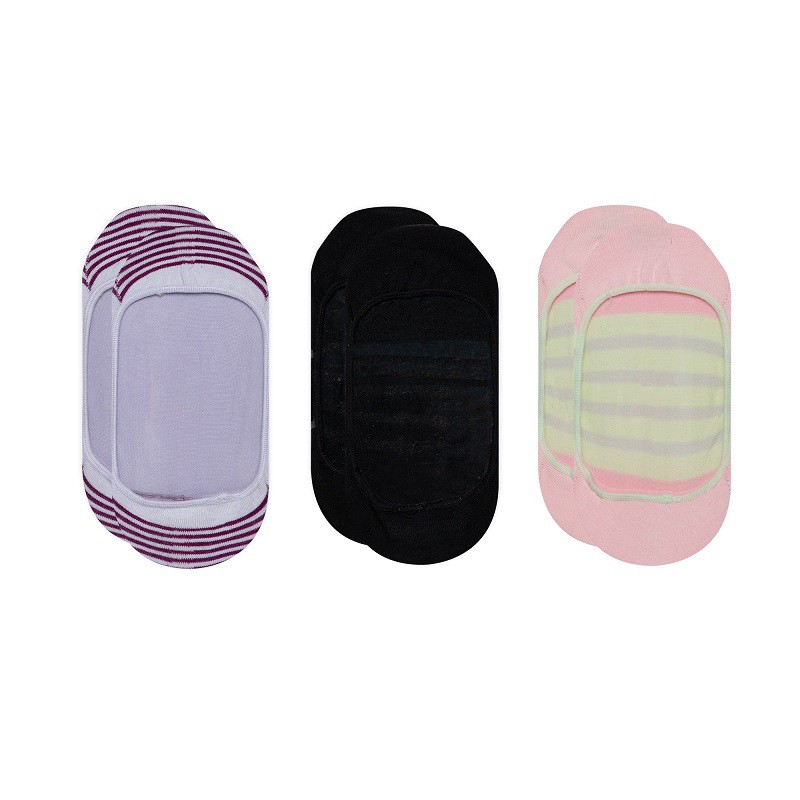
These invisible socks are perfect for those who want to wear low-cut shoes without showing any socks. They are made from a blend of odor-resistant fabrics that keep your feet fresh and dry. The heel grips ensure that the socks stay in place, even during active movements. Whether you're running, walking, or just going about your daily activities, these socks will provide you with comfort and odor protection.
100% Cotton Men's Low Cut Socks
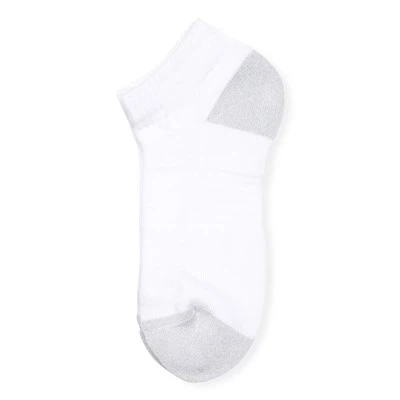
Our 100% cotton low-cut socks are a classic choice. Cotton is a natural and breathable material, and our socks are treated with odor-resistant technology. They are soft against the skin and provide excellent moisture absorption. These socks are suitable for everyday wear and can be paired with a variety of shoes, from sneakers to loafers.
Striped Crew Socks Men's
The striped crew socks are not only stylish but also functional. They are made from a combination of odor-resistant fabrics that offer long-lasting freshness. The crew length provides extra coverage and support, making it a great choice for colder weather or for those who prefer more coverage.
Conclusion
Smelly socks are a common problem, but it doesn't have to be. By understanding the causes of sock odor and the benefits of odor-resistant fabrics, you can make more informed choices when it comes to buying socks. As a sock supplier, we are committed to providing high-quality socks that not only look good but also keep your feet fresh and odor-free.
If you're interested in our products or have any questions about our odor-resistant socks, we'd love to hear from you. Whether you're a retailer looking to stock our products or an individual interested in purchasing in bulk, we're here to assist you. Contact us to start a procurement discussion and find the perfect socks for your needs.
References
- "The Microbiome of the Human Foot and Its Association with Foot Odor." Journal of Investigative Dermatology.
- "Moisture Management in Textiles." Textile Research Journal.
- "Antibacterial Textiles: A Review." Journal of Applied Polymer Science.